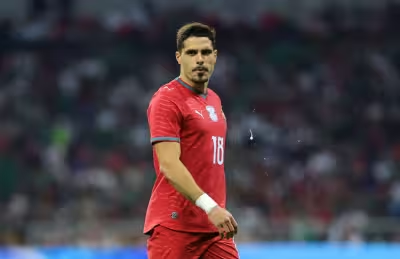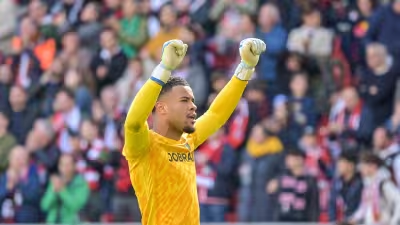




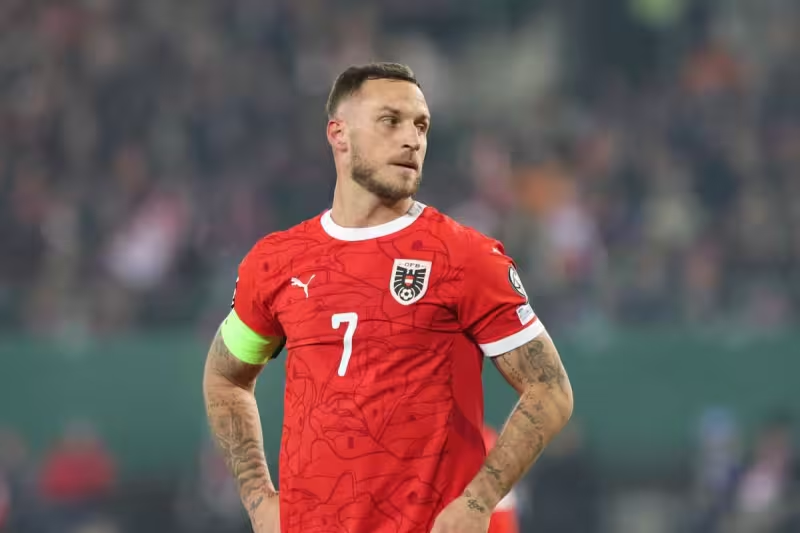
Ralf Rangnick named Austria's 26-man World Cup 2026 squad on Monday, and the selection includes 37-year-old forward Marko Arnautovic, now playing for Red Star Belgrade.
The squad list also features Marcel Sabitzer and confirms David Alaba will captain the side. Rangnick made room for two players who committed their international futures to Austria this year: Carney Chukwuemeka and Paul Wanner, both added to the 26-man group.
Arnautovic arrives at the tournament as Austria's most-capped player, with 132 appearances and 47 goals for his country — figures that make him the clearest experienced reference point in a team returning to the World Cup stage. The coach’s choice to keep a 37-year-old forward in the squad underscores how much Austria will lean on familiarity as the competition opens.
Austria will begin the tournament in Group J, starting against Jordan before matches against Argentina and Algeria. The fixture list places them squarely in a difficult section, and their meeting with Argentina sharpens scrutiny on every selection; any argentina world cup squad is likely to expose gaps and test Austria’s balance between veterans and newcomers.
Rangnick defended the final roster as a mix of proven international experience and players who fit the team’s tactical profile. He said the staff made selections based on what they already knew and what a long tournament needs, stressing the aim to advance as far as possible. He added that the selection process focused not only on inviting the best players on paper but those who are the right fit for Austria’s style of play.
The choices were not without controversy. Two regulars, Gernot Trauner and Maximilian Wober, were left out after long-term injury layoffs, a decision that removes experienced defensive options from Rangnick’s tournament pool. That omission, paired with the inclusion of newly naturalised talents such as Chukwuemeka and Wanner, frames the central tension of the squad: reliability and experience versus fresh commitments and potential.
For players like Marcel Sabitzer and David Alaba, the squad becomes both a responsibility and a test. Alaba’s captaincy hands him the on-field remit to marshal a team that has not been to the World Cup in 28 years — context Rangnick invoked in explaining the selection’s emphasis on endurance and cohesion over the course of the tournament.
The immediate next step for Austria is straightforward and unforgiving: prepare for Jordan in the opening match, then shift quickly to games against perennial contenders Argentina and continental opponents Algeria. How Rangnick manages minutes among veterans such as Arnautovic and his younger or newly committed players will shape Austria’s chances in Group J and determine whether the coach’s gamble on experience and fit pays off.
At its core, the squad is a statement. Keeping Marko Arnautovic — Austria’s most-capped scorer, now 37 — signals Rangnick’s belief that experience can carry a team beyond a long absence from the World Cup. If Austria advance, that choice will look prescient; if they do not, the decision to trust long careers and new allegiances will be the obvious place critics return to.