




A snake hunter in the Florida Everglades found two neighboring Burmese python nests packed with about 120 eggs, a haul that was shared in a Reddit video on r/SweatyPalms.
The find landed with force because it showed how entrenched the invasive snakes have become in South Florida. Burmese pythons are not native to Florida, and researchers believe they gained a foothold after arriving from Southeast Asia through the exotic pet trade in the early 2000s.
Since then, they have multiplied across the region and prey on birds, mammals and reptiles. After Burmese pythons became established in the Everglades, sightings of several mammals dropped dramatically, and articles have said small mammal populations were devastated while some endangered species were affected.

Florida wildlife agencies and water managers already run python removal programs to slow the spread. Licensed contractors and trained hunters are paid to capture and remove invasive pythons, and officials offer added incentives for reproductive females and nests. They have also relied on the Python Challenge, contract hunters, and better detection methods because the snakes are difficult to spot in dense wetlands.
The Everglades is more than a backdrop for the hunt. Officials and researchers describe it as a delicate ecosystem that supports native wildlife, recreation, tourism and freshwater resources, which is why every nest matters when the snakes are found in numbers like this.
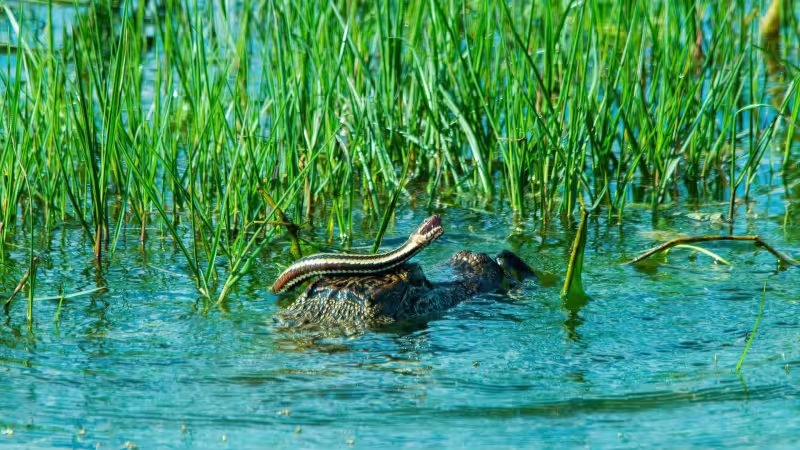
There is one other predator that sometimes complicates the picture: Florida alligators, which can prey on Burmese pythons, even as pythons have also been recorded preying on smaller alligators. With Florida's alligator population at roughly 1.3 million, the state still has a natural check on the snakes, but not one strong enough to solve the problem on its own.
That is why the nest discovery is not just another snake video. It is evidence that the infestation is still reproducing in plain sight, and Florida's answer remains the same: keep hunting, keep paying for removals, and keep finding the nests before the eggs hatch.