



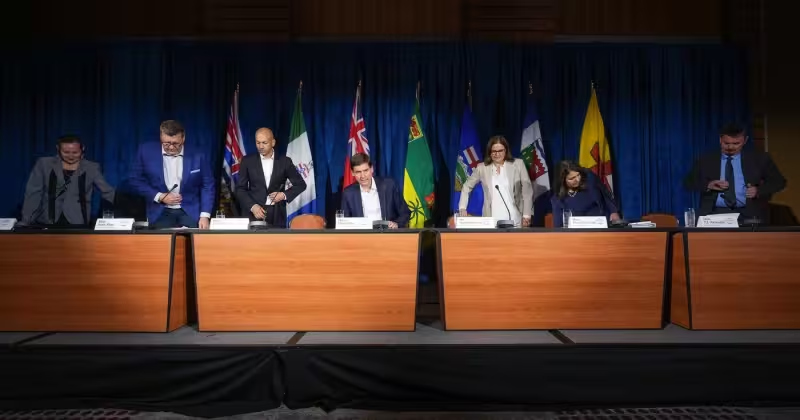
Western premiers gather in Alberta today for a two-day conference in Kananaskis, west of Calgary, with the politics of separation hanging over the meeting from the start. Leaders from British Columbia, Alberta, Saskatchewan, Manitoba, the Northwest Territories and the Yukon are taking part, while Nunavut Premier John Main is joining virtually.
The annual western premiers conference is supposed to be a forum for business and neighbouring relationships, but this year it opens after Premier Danielle Smith announced last week that Albertans will be asked in October whether they want to remain in Canada or begin the process toward a binding referendum on separation. That move has sharpened the tone before a room of six western jurisdictions that usually looks for common ground on trade, transportation and regional concerns.
B.C. Premier David Eby made the friction plain when he said it was ironic to have a meeting with Canadian leadership in a province where the premier appears to be setting the table to leave the country. His remark captures the political strain now running through a gathering that is normally defined by practical talks rather than constitutional drama.
The separation question is not the formal subject of the conference, but it is the backdrop that gives the talks their weight. Alberta is hosting the annual meeting, and the discussion among the western premiers is likely to unfold against the reality that one of the province's own leaders is preparing to put the country's future on the ballot in October.
For Smith, the timing matters because the referendum announcement landed just days before she is sitting across from fellow western leaders in Kananaskis. For the others, especially Eby, the question is whether there is any way to keep the focus on regional cooperation while one of the host province's defining political debates moves closer to a vote.
The meeting runs for two days, and the most consequential outcome may be whether the premiers leave with any common language that can survive the separation fight now shadowing Alberta. If they do not, the gathering will be remembered less for the business on the agenda than for how openly it exposed the fault line running through western Canadian politics.