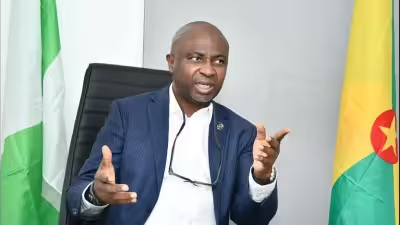





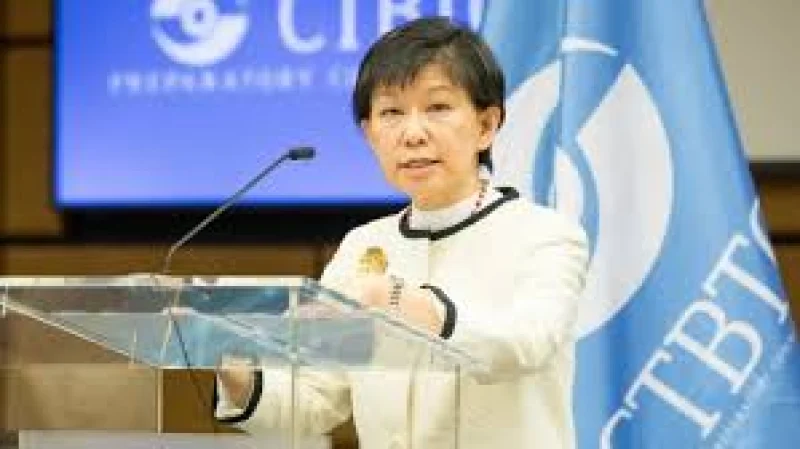
Nigeria’s ambassador and permanent representative to the United Nations, Jimoh Ibrahim, used the 9th Biennial Meeting of States to urge international partners to continue supporting efforts to stop the spread of illicit small arms and light weapons.
The meeting was convened by the United Nations to review how two long-standing instruments have been implemented — the Programme of Action, adopted 25 years ago, and the International Tracing Instrument, adopted 21 years ago — and to press states on next steps.
Ibrahim told delegates that "the illicit trade in small arms and light weapons continues to fuel armed violence across the world," and put a particular emphasis on Africa, calling the situation there "particularly alarming" and saying that such weapons had become "the continent’s true weapons of mass destruction." Those lines framed his plea for sustained international assistance and for the meeting to produce measurable outcomes rather than routine reaffirmations.
The Biennial Meeting reviewed implementation at national, regional and global levels, examining both the legal tools and the practical systems that are meant to stop illegal flows. The African Group framed its attendance around a Common African Position that sets priorities for how states should cooperate — but it also cast the gathering as a moment to turn long-standing commitments into concrete results.

That conversion is the friction at the center of Ibrahim’s presentation. He said African countries have already strengthened laws and regulations across the life cycle of small arms and light weapons, invested in national coordinating bodies, designated points of contact and adopted national action plans; yet those efforts have not stopped illicit weapons from driving terrorism, organised crime, prolonged conflicts, humanitarian crises and widespread loss of life. The gap between clearer national frameworks and persistent violence underlined his warning that legislative progress alone has not been enough.
Against that backdrop, Ibrahim laid out a list of what he asked partners to support: respect for national ownership with assistance that is voluntary and demand-driven; stronger physical security and stockpile management in peacetime, conflict and post-conflict settings; tighter end‑user controls and monitoring systems; improved capacities for investigations and timely information-sharing; and the criminalisation of converting deactivated or non-lethal firearms into fully functional weapons. He also reiterated the African Group’s longstanding call for a prohibition on transfers of small arms and light weapons to unauthorised non-state actors, including criminal and terrorist organisations.
Those recommendations are practical, but they also expose the limits of this meeting format. States can endorse technical measures and agree on principles — and the African Group has done so — but Ibrahim’s appeal made clear that what matters now is whether international partners will commit resources and concrete support to implement them, not simply repeat them on paper.
What happens next is the unfinished business of the meeting: discussions will continue, but the single consequential question remains unresolved — will governments translate calls for assistance, criminalisation and tighter controls into time‑bound, measurable pledges of funding, technical help and shared investigative mechanisms, or will the Biennial Meeting end with another set of reaffirmed goals? The answer will determine whether the strengthened frameworks Ibrahim described actually begin to reduce the flow of weapons into the hands of those who use them to kill, displace and destabilise.