



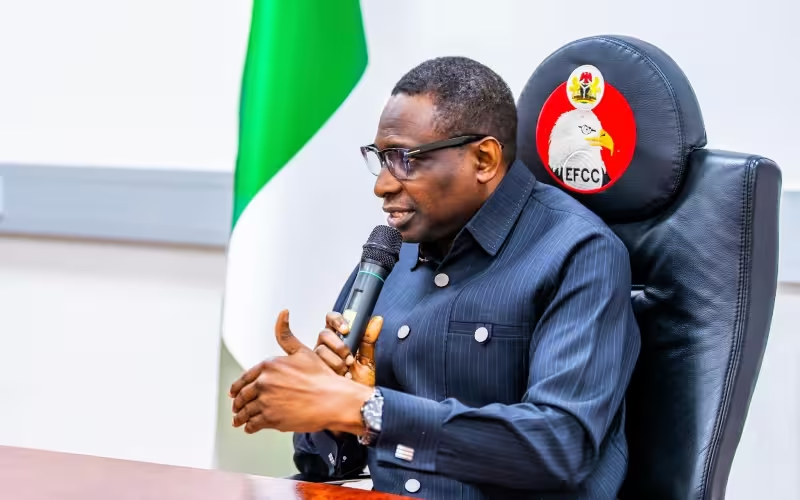
The Economic and Financial Crimes Commission says it spent six months investigating pastor Jerry Eze over alleged money laundering, then found no evidence of wrongdoing and decided to commend him instead. EFCC Chairman Ola Olukoyede made the disclosure on Wednesday April 29 at the Jerry Eze Foundation Business Grant Award Ceremony in Abuja.
Olukoyede said the agency had been tracking a domiciliary account that showed dollars and pounds “dropping like raindrops” from Colombia, the United States, Sri Lanka and Togo. He said intelligence and petitions led the EFCC into the case, and that investigators combed the books before concluding the probe and inviting Eze to explain how the money came in.
“I bin investigate dis man for six months for money laundering,” Olukoyede said, adding that after the review he told the pastor, “I no call you here to explain to me. We don already do our work. I call you here to commend you.”



The chairman’s remarks matter because they came with the agency’s name and its conclusion in the same breath: no case was made, but the account still drew scrutiny. TheCable reported that the EFCC found no evidence of wrongdoing and that Olukoyede described Eze as a person of integrity who deserved a letter of validation.
That letter, however, will not be issued. Olukoyede said the commission also has a preventive mandate and would continue to monitor the pastor’s finances, even as he praised him. He said the EFCC sees similar cases across the religious space, adding that some pastors, bishops and imams are already in detention or convicted for fraudulent practices.
The backdrop is Nigeria’s broader effort to tighten oversight of religious and charity groups. The Companies and Allied Matters Act was signed into law in August 2020 and includes provisions for the regulation of religious bodies and charity organisations, a framework that has sharpened public attention on how churches and ministries handle money.
For Eze, the immediate takeaway from Wednesday’s event is simple: the probe is over, and the EFCC says it cleared him. What remains is the commission’s promise to keep watching.