




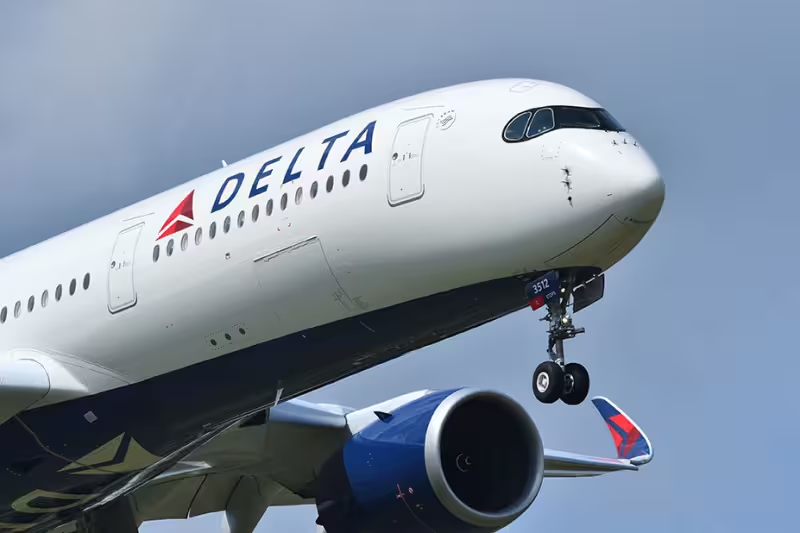
Delta Air Lines flight DL54, an Airbus A330-200 registered N854W, departed atlanta-international-airport" rel="tag">Hartsfield‑Jackson Atlanta International Airport at 5:42 PM EDT on Saturday, May 9 bound for Lagos and returned to Atlanta in the early hours of Sunday after the crew announced an "operational issue."
The decision forced the airline to cancel the outbound flight and left passengers at the gate and in transit halls; one business class passenger who had flown from Abuja said, "I came from Abuja to board the flight. Because of the urgent appointment I have in the US, I have to buy Air France ticket to travel. Delta was not specific on when the next flight would could come."
The sequence is precise: DL54 climbed to a cruising altitude of about 33,000 feet and kept an eastbound track for approximately three and a half hours before turning back after roughly eight hours in the air, according to the timeline provided by the carrier and crew announcements. The aircraft returned to Atlanta, the airline canceled DL54 upon landing, and the plane remained on the ground for inspection and maintenance review.
The ripple effect reached the scheduled Lagos‑Atlanta return service. DL55, the planned return flight from Lagos set for 11:45 AM on Sunday, was canceled, and passengers who had expected to leave Nigeria on that leg found themselves stranded at the airport with no firm rebooking timetable from the carrier.
Delta Air Lines described the reason for the diversion in the briefest of terms — an "operational issue." Crew announcements during the flight mirrored that language, and the airline reiterated the phrase in its messaging after DL54 returned to Atlanta. Beyond that wording, Delta provided no detailed explanation of the nature of the problem before canceling the flight and grounding the aircraft for inspection.


The concrete figures underline the disruption: a transatlantic turnback after about eight hours aloft, cruising at around 33,000 feet for a sustained period, and a canceled return leg scheduled for 11:45 AM the next day. For travelers on both sides of the ocean, the interruption was immediate — missed appointments, changed connections and, in at least one documented case, an out‑of‑pocket purchase of an alternate ticket.
Operational issues can mean many things on a modern jetliner, from a fault in avionic systems to a maintenance item flagged during the flight. The aircraft in question, the A330‑200 N854W, was kept on the ground in Atlanta for inspection and maintenance review, the company said; the airline canceled DL54 and the following DL55 as part of that response.
That response produced the story’s tension: Delta’s succinct description put safety and procedure on one side and passenger hardship on the other. The airline’s use of the phrase "operational issue" signals a nonmedical, nonsecurity reason for the return, but it provides no timetable for repair, no indication of the severity of the defect and no clear path for rebooking the stranded customers beyond the immediate cancellations.
Passengers left at the airport reported confusion and limited information. The business class traveler’s account — including the decision to purchase an alternate Air France ticket because of an urgent U.S. appointment — illustrates the practical consequences of the airline’s terse explanation. Flight crews and ground staff can advance rebooking and accommodations, but when an aircraft is held for inspection, options shrink and delays widen.
The immediate question for travelers and the carrier is operational and logistical: how long will the A330‑200 remain under review, and when will Delta resume scheduled service on the Atlanta‑Lagos route? The inspection that kept N854W on the tarmac in Atlanta is the proximate reason flights were canceled; until that review concludes, DL54 and DL55 will remain out of service and passengers will need alternate travel plans.
For the passengers who boarded DL54 and those waiting for DL55, the diversion and cancellations were not abstract airline terminology but a sudden loss of a confirmed trip and, in some cases, extra expense to meet urgent commitments. Delta’s terse description of an "operational issue" may protect operational discretion, but it will not, by itself, replace missed meetings or refunded fares — and it leaves travelers pressing for the single most consequential piece of information: when the carrier will return the aircraft to service and resume scheduled flights between Atlanta and Lagos.