




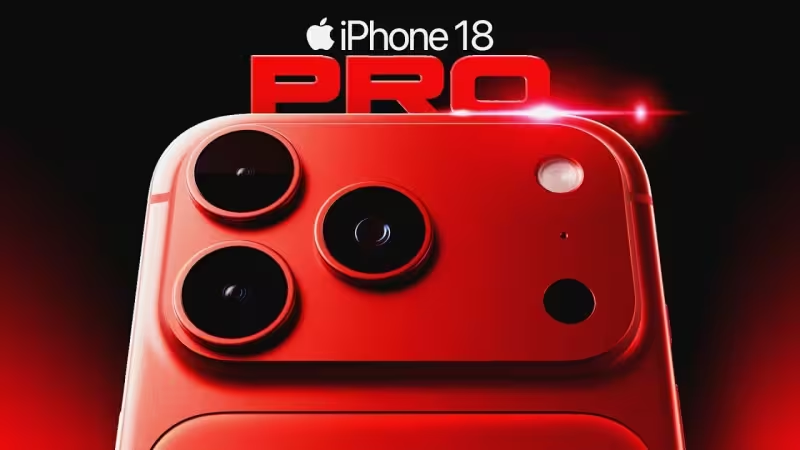
GSMArena reported today that new CAD files for the Apple Iphone 18 Pro and iPhone 18 Pro Max show a much smaller Dynamic Island at the top of the screen than the cutout the Pro series has used since the iPhone 14 Pro. The CAD files, shared by a tipster on X, depict a punch-hole that is noticeably narrower, though slightly taller, than the current design.
The size change is not trivial: the files make clear the familiar pill-shaped island is being reduced in width, a shift that could affect how notifications and interactive elements behave. If those CAD files reflect final hardware, they also suggest Apple has managed to tuck at least some Touch ID sensors under the display — a move the files imply by the revised cutout footprint. GSMArena’s report cites the tipster’s CAD renders as the basis for the comparison with the iPhone 14 Pro-era Dynamic Island.
Beyond the cutout, recent reporting collected by Round Time News points to a broader technical package for the iPhone 18 Pro. A May 11, 2026 report from Geeky Gadgets outlined expectations that the phone will use an A20 Pro chip built on a 2nm process and include Apple’s in-house C2 modem. That same coverage flagged pressure-sensing technology replacing traditional capacitive buttons, a rear design largely unchanged from the current Pro models, and expanded satellite support capable of general messaging beyond emergency use.
Apple is expected to release the iPhone 18 Pro in September alongside a premium iPhone Ultra model, and a separate BGR source says the iPhone 18 line is anticipated to be unveiled in September if Apple keeps its usual yearly schedule. Color options mentioned in reporting include light blue, dark cherry, dark gray and silver, and the smaller Dynamic Island has been described as the main design overhaul for both the iPhone 18 Pro and iPhone 18 Pro Max.


The CAD-file details deepen the technical picture. The cutout in the new files appears slightly taller while being obviously less wide, which creates a design tension: a smaller horizontal footprint helps reclaim screen real estate, but extra height could complicate how existing Dynamic Island features display. The same renders and reporting suggest Apple may have made trade-offs inside the bezel area to accommodate under-screen components without losing the island’s full functionality.
Some hardware details reported elsewhere set expectations for what Apple might pursue beyond the front glass. The A20 Pro on a 2nm node would represent a significant chip leap, and an in-house C2 modem would continue Apple’s trend toward vertical integration. On charging, the iPhone 17 Pro models introduced 40 W support for the first time; some users are asking for much faster options — mentions of 100 W and beyond have circulated online — but no confirmed charging spec for the iPhone 18 series has been published in the available reports.
User wish lists extend beyond speed. Among desires collected in recent coverage are a Privacy Display feature and improved battery life for the next iPhone. Those demands collide with the reported engineering priorities: a smaller Dynamic Island and under-screen sensors are design and hardware challenges that must be balanced against thermal, battery and antenna constraints, especially if Apple also rolls out expanded satellite messaging and a new modem.
The most consequential unknown now is whether Apple can deliver a genuinely smaller Dynamic Island without trimming the interactive capabilities users have come to expect — and whether the under-screen Touch ID hinted at in the CAD files will work reliably alongside the array of sensors the Pro models require. If the renders are accurate, Apple looks poised to push one visible change forward; what remains unclear is how seamless that change will be in daily use when the phones arrive, as expected, in September.