



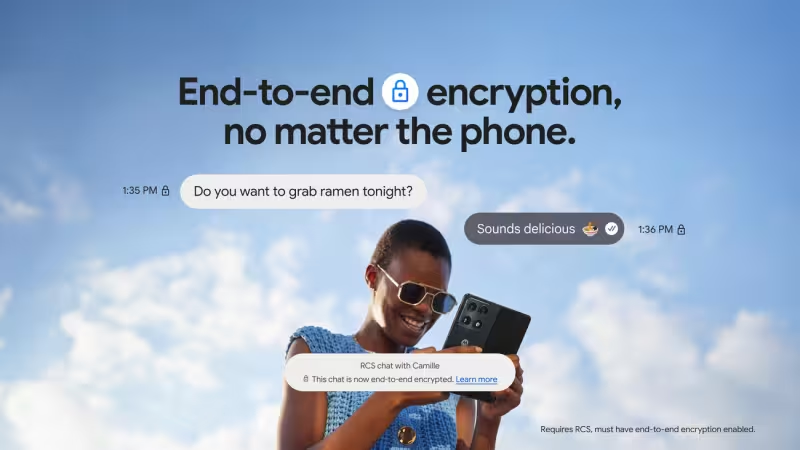
Starting today, end-to-end encrypted RCS messaging begins rolling out in beta for iPhone users running iOS 26.5 with supported carriers and for Android users on the latest version of Google Messages.
For people whose conversations move between iPhones and Android phones, the change means messages cannot be read while they travel between devices once a chat shows the new lock icon; encryption is on by default and will be automatically enabled over time for new and existing RCS conversations.
Apple began testing end-to-end RCS encryption in late February, and the company had said the feature would not arrive with the release of iOS 26.4. That testing period is now entering a broader beta release tied to iOS 26.5 for eligible iPhone users, while Android’s Google Messages app is delivering the same encrypted RCS capability to users on its latest build.
The practical difference for most users is visual and behavioral: when a conversation displays the lock icon it is end-to-end encrypted and unreadable in transit, matching the security expectations long held by iMessage users—the platform that has always been end-to-end encrypted—and by Android users who have had encrypted messaging between Android devices in Google Messages for years.


Apple and Google led a cross-industry effort to bring end-to-end encryption to RCS, the cross-platform messaging format that replaces traditional SMS. Apple added support for RCS in iOS 18, and this beta rollout is the next step in making the richer, modern standard work with full message privacy across ecosystems.
The rollout is deliberately gradual. Encryption will switch on by default but will be enabled over time, leaving a window where some conversations and some carriers will show the lock and others will not. That staged approach aims to avoid breaking threads mid-conversation, but it also means users may not see immediate, universal protection across every contact or carrier.
The central tension is parity: iMessage has long offered seamless end-to-end encryption inside Apple’s ecosystem, while Google Messages has offered encrypted chats between Android devices for years. RCS encryption closes the cross-platform gap, but only as carriers and devices complete the staggered update. Users will notice the change only when both sides of a chat and the network path support the new encrypted RCS flow and display the lock icon.
This beta marks the most consequential privacy upgrade to mobile cross-platform texting in years. By making encryption the default and delivering a visible indicator, the rollout should reduce a longstanding privacy mismatch between iPhone and Android messaging. The decisive question going forward is how quickly carriers and the installed base of devices adopt the update so that most cross-platform conversations show the lock and behave like other end-to-end encrypted chats.