




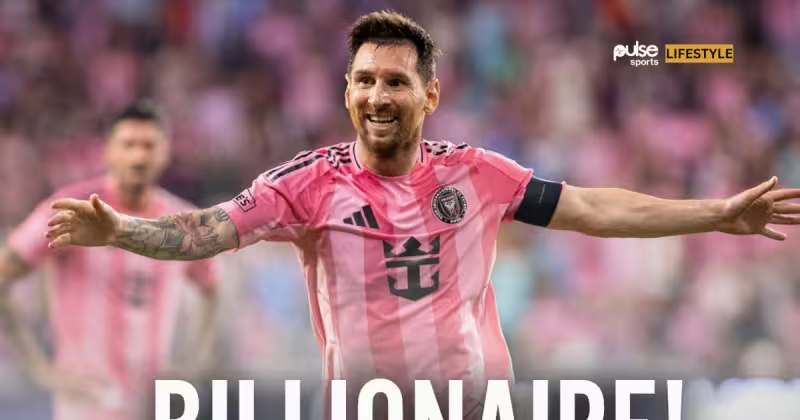
Lionel Messi has officially become a billionaire, crossing the $1 billion net worth mark in 2026 after a run of player pay, streaming deals and off‑field business moves that accelerated when he joined Inter Miami.
The milestone is concrete: calculates Messi has earned more than $700 million in salary and bonuses since 2007, and adjusting for taxes, market performance and income from investments and sponsorships, his net worth has now surpassed $1 billion. Club owner Jorge Mas said take‑up for the MLS Season Pass on Apple TV doubled in the months after Messi signed, and that Messi's total annual pay from the club comes to between $70 million and $80 million. Those figures, plus merchandise and sponsorships, explain how lionel messi net worth reached the milestone.
Messi’s contract at Inter Miami, which he joined in 2023 after rejecting a massive offer from Saudi Arabia, includes a high base salary, a share of Apple TV’s MLS Season Pass revenue and a cut from Adidas merchandise sales. Outside football, his long‑term global partnership with Adidas and major endorsements with PepsiCo, Mastercard, Budweiser and Gatorade add steady income, while investments in luxury hotels through MiM Hotels widen his business footprint. He is also reported to hold an option for a significant ownership stake in Inter Miami after retirement.
The economic weight behind the headline is measurable. Inter Miami’s valuation is now estimated between $1.2 billion and $1.45 billion, and the club’s surge in commercial value helped convert streaming growth and sponsorship leverage into personal earnings for Messi. That combination of direct salary, revenue sharing and amplified merchandise sales is what pushed his finances over the billion‑dollar line.

The context matters: Messi is 38 years old, an eight‑time Ballon d’Or winner and the 2022 World Cup winner, statuses that turn ordinary deals into global phenomena. His move to MLS did more than change where he plays; it created a revenue model that ties a single player’s arrival to subscription growth and brand monetization. The billionaire label is therefore not only about past salary but about a new business arrangement that pays him while it lifts the whole franchise.
There is friction built into the story. Reaching a net worth milestone required adjustments for taxes, market performance and investment returns — not just headline salaries. The same deals that raise Messi’s take also redistribute value across the league, to sponsors and broadcasters, and they leave unanswered how much of the club’s rising valuation is durable rather than a premium tied to his presence. Messi’s status as one of only three self‑made billionaires in football history — alongside Cristiano Ronaldo and David Beckham — highlights both the rarity of the feat and the fragility of models built around superstar appeal.
What happens next is decisive. Messi retains an option for a significant ownership stake in Inter Miami after he retires, a condition that could convert his earnings into long‑term equity if he exercises it. That stake, combined with the club’s $1.2 billion to $1.45 billion valuation and the streaming revenue trajectory Jorge Mas described, means Messi stands to solidify wealth that is already outside the typical wage‑only path for players. For MLS, the test will be whether the subscription and sponsorship bumps persist once the novelty fades.
In short: Lionel Messi’s billionaire status is real because a single, high‑visibility move to Inter Miami unlocked proprietary revenue streams — Apple TV royalties, expanded merchandise cuts from Adidas and a cluster of global endorsements — and turned matchday fame into an investment vehicle. He crossed $1 billion by converting unparalleled sporting value into business equity, and his next act — retirement and the potential switch from star to owner — will determine whether that billion becomes a legacy.